
Moving to a new country is exciting, but finding the right place to live is super important! Your apartment is your home base, your comfy spot far away from home, which is why we’ve curated this little guide for you to equip you better in your home search.
Before you begin, you might want to get an idea of the cost of living in Estonia using this link.
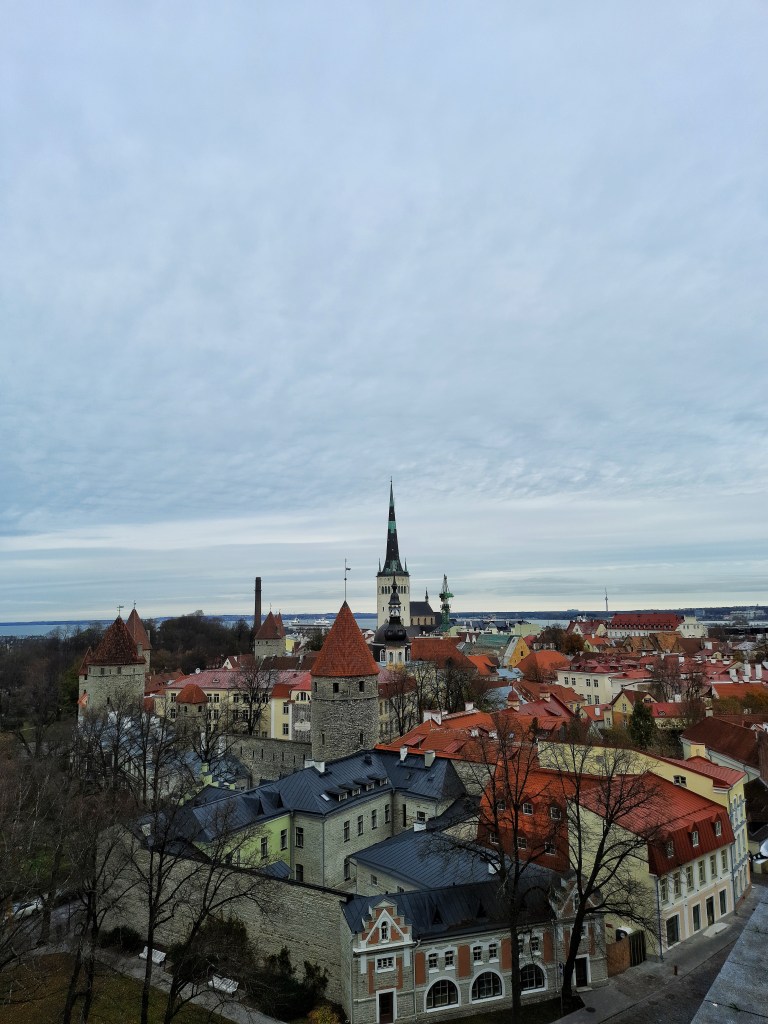
Source: Devika Tawniya
Why Finding the Right Apartment Matters
As an expat, it can be quite challenging to find a house that feels like home. Some begin this search even before they arrive in Tallinn, and we completely understand!
Your abode in an unknown destination becomes your haven. It’s where you unwind after a long day at work or after a day of exploring Tallinn’s cobbled streets, where you fuel up for late-night study sessions, and where you feel safe and comfortable. The right apartment can significantly ease your transition to a new city. After all, you’ll be spending a lot of time there, inviting your friends, so finding a place you truly love is key to your integration.
It’s also important to note that the weather here will be different (drastically in some cases) from your home country. Estonians prefer to stay indoors during the long and dark winter, which is why the houses are welcoming with cosy interiors and warm lighting.
Documents Required
You don’t need a work permit to sign a lease agreement in Estonia. However, landlords are required by law to make sure their tenants are legally staying in the country. They might ask to see proof of this, such as a visa, residence permit, or confirmation of visa-free travel status.
Here’s a breakdown to help you navigate:
- EU Citizens: You can easily register your residence when signing the lease and can often sign longer-term contracts.
- Non-EU Citizens with a Tourist Visa: You’ll need to register your work and apply for either a long-term visa or a temporary residence permit. Landlords typically offer leases that match the validity of your current visa but are usually happy to extend them once you have a residence permit.
Estonian Identification Code
Getting an Estonian Identification Code (ID code) is completely free and can help you find a place to live. With this code, landlords can conduct background checks (with your permission, of course), which might give them more confidence in renting to you.
Rental Market and Search Prep
The local rental market is quite dynamic and has many offerings for short or long-term rentals. Whether you want an apartment, co-living space, an individual house or even boutique hotels, you have many choices at your disposal. There’s something for everyone and every budget.
Rent
The average monthly rent for a 1 bedroom apartment or as we call it here, two-room apartment (bedroom+living room+kitchen+bathroom) in Tallinn is approximately €650+utilities.
Note that the number of rooms refers to the total number of rooms in the house, including bedroom(s) and living room. For instance, if a listing says a 3-room apartment, there are two bedrooms and a living room in addition to a kitchen and a bathroom.
The price varies according to the neighbourhood, condition of the house, size of the apartment, number of rooms, heating type and general market fluctuations.
Most rental apartments are managed by property agents (brokers) and have brokerage fees involved, typically equal to a month’s rent. However, you can avoid this charge by looking for apartments listed directly by the owners as well.
Whether a broker is involved or not, you would also need to pay a security deposit (usually equivalent to a month’s rent) to secure the landlord in case there’s any damage to the apartment.
Generally, you need to pay one month’s rent as a deposit + one month’s rent + one month’s rent as brokerage fees. For instance, if your apartment’s monthly rent is €650, then you should expect to pay 3x€650= €1950.
Utilities
Water, electricity and heating are usually NOT included in the rent and need to be paid on top of the monthly rent either directly to the owner or the housing association, depending on your contract.
Always ask to see and examine the utility costs from Winter and Summer as they can vary significantly and understand what you can expect to pay. Some owners exclude the overall building maintenance costs while most of them add everything to your utilities, pay attention.
Note: If within the bills, there’s some loan amount (renovation/repair fund of the apartment building) to be paid to the house association, then it necessarily isn’t the tenant’s responsibility to pay the sum and it can be negotiated before signing the lease agreement. In case this charge is already included in utilities, then you can negotiate on the monthly rent.
Utility bills are always in Estonian. Here are a few words to keep in mind when you’re going through the utility bills:
- Vesi ja Kanalisatsioon: Water and Sewage
- Küte: Heating
- Elekter: Electricity
- Üldelekter: Apartment building’s electricity
- Külm vesi: Cold water
- Kuum vesi: Hot water
- Remondifond: Repair/renovation fund
- Haldus ja raamatupidamine: General Management and Accounting of house association
- Prügivedu: Waste collection
Lease Agreement
Like everywhere in the world, a lease agreement is a legal and binding agreement between a tenant and the owner. A verbal agreement does not guarantee that the apartment is secured or booked for you.
A rental agreement, in general, is for a year or for an open-ended period. But if you’re going for a short-term rental (e.g. 3 months) then it can be different.
Contracts are usually in Estonian but you can ask for it in either bilingual or English as well. We strongly recommend reading and understanding all the points mentioned in the lease agreement carefully before signing. In case there are points that do not make sense or are vague, you should ask for clarity and get the agreement redone.
In case you are changing the apartment before the end of the validity of your rental agreement, it’s possible to terminate the agreement, if both parties have agreed to it. Otherwise, by law, the 1-year agreement will be valid till the end of its validity.
- Diplomatic Clause: According to the Estonian Law of Obligations Act, there are two types of rental contracts: fixed-term contracts and open-ended contracts. In case of a fixed term contract, neither party can end the contract in advance except for exceptional cases defined in law (usually the other party severely breaches the contract or also if something unforeseen happens and a party cannot continue the lease while still taking into consideration the interests of the other party too).
- Open-ended contracts have a notice period of 3 months (90 days), and the notice should be submitted in writing.
Bear in mind, that if your lease is coming to an end, you most probably will have to entertain a few potential new tenants for the apartment.
In most cases, if you wish to make a few changes in the apartment, for instance changing the wall colour/paper, installing a wardrobe, changing faucets etc, you must get the owner’s permission to do so. It’s best to communicate with the owner via written form (such as email) to avoid any misunderstanding in the future.
The rent payments in general are transferred online/by bank in order to keep track of all the payments. In case you have to pay rent in cash, please obtain a written confirmation for the same by the owner.
In case you don’t yet have the option to digitally sign the lease agreement, you can sign the document physically (caveman style :D)
Remember: As a foreigner, by law, you are required to register your place of residence in Estonia. Address registration is of utmost importance! You can do it with your rental contract or with the owner’s direct approval. With address registration, you will be able to avail various public services such as free public transport in Tallinn or registering with a family doctor. Municipal schools and kindergartens also require address registration.
In case you are not able to register the address, we strongly recommend looking for another place 🙂
Where to look for apartments?
The internet is your friend when it comes to apartment hunting in Tallinn. Here are some popular websites and Facebook groups to get you started:
- Websites: City24 , KV.ee, Rendin
- Facebook Groups: Korterite üürimine MAAKLERITETA!, Expats in Tallinn
- For short-term rentals: Larsen, BobW, AirBnb
Introduction To Tallinn’s Neighbourhoods
Tallinn is divided into 8 distinct districts that offer a diverse range of neighbourhoods, each with its own unique charm. Here’s a quick breakdown of some of the neighbourhoods to help you decide which area best suits your style:

Kesklinn:
- Packed with history and charm, Kesklinn offers sub-districts like Old Town, Veerenni, Uus-Maailm, Kassisaba, and Kadriorg.
- Expect slightly higher rents, but convenience reigns supreme. Renovated stone houses from the 1960s/70s line the streets, perfect for those who love character.
- Kadriorg is a peaceful haven known for its sprawling parks, beautiful beach, and relaxed atmosphere. This area is perfect for families.
- Walkable distances to everything you need, and excellent public transport connects you to the rest of the city.
- Heads up: It can get lively, especially on weekends and summer nights. Be sure the building is well-insulated to avoid high heating costs, and check for modern plumbing and electrical systems. Parking is expensive.
Põhja-Tallinn:
- Expect a vibrant mix of the old and new, including the trendy Telliskivi and Kalamaja districts. This is an up-and-coming neighbourhood with many young families making it their home.
- Telliskivi: Telliskivi boasts a creative vibe with a plethora of cool cafes, art galleries, and independent shops. It can get lively at night, so keep that in mind if peace and quiet are top priorities.
- Kalamaja: A super trendy district with a hipster vibe. This colourful neighbourhood is a great option for those seeking unique apartments, lofts, luxurious penthouses and a happening social scene with several cafes and restaurants.
Mustamäe:
- Budget-friendly options with plenty of Soviet-era apartment buildings. While not the most modern, these apartments are very affordable and well-connected to Tallinn’s public transport network.
- The area is popular amongst expat students due to its proximity to TalTech University.
Pirita:
- If stunning beaches, a pine forest, and excellent opportunities for outdoor activities is your jam then Pirita is where you want to be! This area is ideal for those seeking an active lifestyle and a break from the city centre.
- It’s very well connected to the city center but the rent can be slightly higher.
Kristiine:
- Balance convenience with affordability in Kristiine. This growing neighbourhood offers good public transport links, modern apartment buildings, and a mix of shops and cafes.
Nõmme:
- A popular residential area known for its green spaces, peacefulness, and family-friendly environment. Rents are slightly higher than in Mustamäe but likely lower than in Kesklinn. It offers a perfect balance between quiet living and access to amenities.
Lasnamäe:
- A fascinating part of the city that has a typical Soviet atmosphere with apartment buildings that have not yet been remodelled, and it has preserved its original appearance as a typical residential district.
- Modern Lasnamäe is preferred by working professionals as it is a young, developing district with fascinating architecture, proximity to sports halls, ice rinks, Tallinn’s largest malls, and the only Ferris wheel in the Baltics.
- It’s also home to the Silicon Valley of Estonia – Ülemiste City – and the Lennart Meri Tallinn Airport, making it an ideal location.
Haabersti:
- Slightly away from the city centre, Haabersti is an actively developing suburban area for those who appreciate a unique, quiet atmosphere and proximity to everything you need, including one of the best promenades by the beach.
- Haabersti offers subdistricts like Rocca Al Mare, Väike-Õismäe, Kakumäe, Mustjõe and Tiskre.
- The district has been gaining popularity amongst expat students and families lately due to the favourable prices and proximity to malls, supermarkets, promenade etc.
- You can find a good mix of old and new apartments at favourable prices, similar to Mustamäe.
Pro Tips for Apartment Hunting
- Identify Your Needs: Before you dive into the listings, consider what matters most to you. Do you crave a lively atmosphere or a quiet one near the seaside and greenery? How important is proximity to public transport? Are there schools nearby for your little ones? Supermarkets? What kind of heating would you prefer? How many rooms do you need? Would you prefer a furnished or unfurnished apartment?
- Read It Closely: Don’t skim through listings! Read them carefully to understand the details and don’t hesitate to reach out to landlords with any questions you might have. Better to call and ask rather than wait for an email response.
- Visit the Apartment: The actual apartment can be a little (sometimes more) different from the pictures on the listing. So make sure you view the apartment and check the floors and windows. And while you’re at it, don’t forget to get a feel of the neighbourhood and if possible, talk to neighbours.
- Act Fast: The Tallinn rental market moves quickly, so if you find an apartment that ticks all your boxes, don’t delay! Be prepared to submit your application promptly.
- Find A Credible Broker: Look for accredited brokers! Their credentials should be displayed in the ad. Avoid ads without photos from the broker, and make sure they provide full contact details. Be sure to check their profile on the website and other listings they’re offering.
In The Apartment
Once you’ve been handed over the apartment, carefully check and document the deficiencies if there are any, such as a broken drawer or a damaged floor. We recommend informing the landowner about these and it’s even better if you save the damages/defects in a folder shared with them. This way, it’s confirmed that you aren’t responsible for the damages.
Most apartment buildings are managed by building managers, so it’s a good idea to know who they are and have their contact information in case of emergencies. Familiarize yourself with rent and utility readings and payments to avoid delays and confusion.
Congratulations! Now that you’ve moved into your new home, it’s time to register your address at the e-Population Registry portal. More details here.
Remember: Finding the perfect apartment takes time and effort. Don’t get discouraged; keep searching, and soon you’ll have a cosy nest to call your home away from home in Tallinn!
Good luck, and happy apartment hunting!